Blog

  • NV Casino – Quick‑Hit Slots og Lynrask Action for den Moderne Spilleren

    1. The Pulse of NV Casino for Rapid‑Fire Fun

    NV Casino er et knutepunkt for gamere som elsker øyeblikkelig adrenalin. Hvis du er typen som hopper rett inn i en slot, spinner noen hjul, og deretter bytter til neste spenning uten pause, snakker denne plattformen ditt språk. Sidens grensesnitt er strømlinjeformet, med en ren layout som plasserer high‑volatility titler rett ved fingertuppene dine.

    Korte, høy‑intensitetsøkter er innebygd i opplevelsen: fra første klikk vil du se utvalgte spill som Sweet Bonanza og Gates of Olympus som venter i en karusell som oppdateres hver få minutter. Casinoets “Game of the Week” banner garanterer en ny jackpotmulighet hver uke, og holder forventningen din frisk.

    Designet er mobil‑fokusert; siden laster på sekunder selv på en 3G-tilkobling, slik at du kan kaste deg inn i en økt rett etter en kaffepause eller under en pendling.

    • Raske innlastende slots
    • Umiddelbar tilgang til hete titler
    • Responsivt design for alle enheter

    2. How NV’s Game Library Fuels Quick Wins

    Biblioteket er en skattkiste med over ti tusen titler, men det som betyr mest for raske økter er slots med høy utbetalingsfrekvens og raske spinn. Titler som Sweet Bonanza, Big Bass Splash, og Hell Hot 100 er utviklet for spenningsøkninger.

    Disse spillene har:

    • Raske spinnetider—de fleste hjul løses ut innen 1–2 sekunder.
    • Lav minimumsinnsatser som lar deg teste flere kombinasjoner i en enkelt økt.
    • Hyppige bonusutløserne som holder energien oppe.

    Siden spillene er utviklet av ledende leverandører som Pragmatic Play, Novomatic og Evoplay, kan du stole på at mekanikkene er rettferdige og grafikken er skarp, selv på lavere‑end enheter.

    3. Mobile‑First Gameplay: Play Anywhere, Anytime

    https://nvcasinospille.co.no/’s mobilopplevelse er en spill‑endring for spillere som foretrekker raske utbrudd på farten. Siden er fullt responsiv og fungerer sømløst på iOS og Android-nettlesere, men det finnes også en offisiell Android-app som legger til ekstra fordeler som Piggy Bank cashback og Shake Bonus.

    Når du starter appen eller åpner den mobile nettsiden, vil du finne:

    • En “Quick Spin”-knapp som hopper rett inn i din valgte slot.
    • Push-varsler som varsler deg om nye free spins eller tidsbegrensede tilbud.
    • En strømlinjeformet innskuddsgrensesnitt som støtter flere betalingsalternativer—including cryptocurrencies—slik at du kan finansiere økten din på sekunder.

    Siden layouten for mobil prioriterer én-hånds navigasjon, kan du plassere innsatser, trykke på spin, og justere innstillinger uten å bla gjennom endeløse menyer.

    4. Harnessing Bonuses for Short Sessions

    Mens langsiktige bonuser er fristende, er den beste tilnærmingen for høy‑intensitetsspill å fokusere på raske tilbud som ikke krever langvarig wagering.

    Noen taktikker:

    • Free spin packages: Ta de 100 free spins fra første innskudd; bruk dem i rask rekkefølge på ulike slots for å teste volatilitet.
    • Daily login rewards: Samle opp free spins ved å logge inn hver dag; disse akkumuleres raskt og kan brukes umiddelbart.
    • Shake Bonus: Hvis du bruker appen, kan en enkel risting av telefonen utløse øyeblikkelige free spins—ideelt for en rask pause.

    Disse tilbudene er designet for å gi deg umiddelbar spilletid uten å binde deg til lange wagering-sykluser.

    5. Risk Management in Fast‑Paced Play

    Korte økter krever disiplinert risikostyring. Du vil holde bankrollen i sjakk samtidig som du jakter på de store gevinstene.

    De beste praksisene inkluderer:

    • Sett en øktgrense: Bestem på forhånd hvor mye du er villig til å bruke per økt—si €20—and hold deg til det.
    • Bruk lave innsatser: Start med minimumsinnsatsen (€0.20–€0.50) for å forlenge spilletiden innenfor økten.
    • Begrens gevinster: Når du har oppnådd en gevinst som er fire ganger innsatsen din, vurder å ta ut gevinsten i stedet for å jage mer.

    Mindful Betting Patterns

    Høy‑intensitetsspillere bruker ofte en “quick win”-tankegang: de spinner til de treffer en gevinst eller når sin forhåndsbestemte grense. Dette mønsteret er effektivt for de som vil kjenne spenningen uten å bruke mange timer.

    6. A Typical Session Flow: From Start to Finish

    Den ideelle økten følger en forutsigbar rytme: start → raske spinn → bonusutløser → gevinst eller tap → utgang.

    1. Start spill: Velg en high‑volatility tittel som Gates of Olympus; trykk på spin umiddelbart.
    2. Spinnsløyfe: Spinn kontinuerlig til en bonusrunde aktiveres eller øktgrensen er nådd.
    3. Bonusspill: Engasjer deg i free‑spin-modus—disse varer vanligvis 20–30 spinn og kan gi store utbetalinger raskt.
    4. Utbetalingskontroll: Hvis du vinner, bestem om du skal ta ut gevinsten eller fortsette; hvis du taper, vurder om et nytt raskt spinn kan bryte streaken.
    5. Utegangsstrategi: Forlat spillet når øktgrensen eller ønsket gevinst er nådd.

    The Timing Factor

    Denne flyten varer vanligvis mellom 10–30 minutter—perfekt for lunsjpauser eller korte pauser på jobb.

    7. The Psychology Behind Quick Wins

    Den høye intensiteten i NV’s slot-miljø utnytter dopamin-drevne belønningssystemer:

    • Sensory overload: Lyse farger og dynamiske lydspor holder deg engasjert i mikro‑øyeblikk.
    • Umiddelbar tilbakemelding: Gevinster kommer nesten umiddelbart, noe som forsterker raske beslutninger.
    • Kognitiv enkelhet: Ingen kompliserte regler—bare spin og se om du treffer et symbolsett eller utløser en bonus.

    Denne psykologiske profilen passer for spillere som trives med raske resultater og foretrekker å unngå å vente på langsiktige utbetalinger.

    8. Community Vibes and Social Features

    Selv i quick‑play-modus nyter spillere sosial interaksjon:

    1. Live chat support: En chat-vindu dukker opp under øktene hvis du trenger hjelp med et innskudd eller bonusutløser.
    2. Social sharing buttons: Del dine vinnestreaks på sosiale medier direkte fra spillskjermen; dette bygger en følelse av fellesskap selv i korte økter.
    3. User forums: NV’s nettside har diskusjonsfora hvor spillere utveksler tips om hvilke spill som er mest lønnsomme for korte økter.

    Mimicking Peer Success

    Fellesskapet fremhever ofte hvilke titler som gir raske gevinster, og gir nykommere reelle referanser for sine egne korte økter.

    9. Responsible Gaming in Rapid Sessions

    Et ofte oversett aspekt ved høy‑intensitetsspill er behovet for ansvarlige spillverktøy:

    • Session timers: NV lar deg sette automatiske tidsavbrudd etter et visst antall minutter.
    • Deposit limits: Du kan begrense dine daglige eller ukentlige innskudd for å forhindre overeksponering under raskt spill.
    • Payout alerts: Motta varsler når du treffer en betydelig gevinst eller taper et forhåndsbestemt beløp.

    Disse funksjonene sikrer at selv korte økter forblir morsomme og trygge.

    10. Dive In Now – Experience the Thrill of NV Casino!

    Hvis du søker adrenalinfylt spill der hver spinn teller og hvert minutt er viktig, leverer NV Casino på alle fronter. Fra lynraske slots til rask mobiltilgang og øyeblikkelige bonusutløsere, er plattformen laget for spillere som vil ha umiddelbar spenning uten lange forpliktelser.

    • Ingen lange ventetider for bonuser eller uttak (selv om uttak kan ta lengre tid enn innskudd).
    • Et bredt utvalg av betalingsalternativer—kredittkort, e‑wallets, crypto—for å finansiere økten din raskt.
    • Et livlig fellesskap som deler quick win-strategier og holder atmosfæren livlig.

    Din neste høy‑intensitets spillopplevelse er bare ett klikk unna. Registrer deg i dag og kjenn på spenningen i NV Casino!

    Get Your Bonus Now!

  • NV Casino: Quick‑Fire Slots modernajam mobilo spēlētājam

    Kad pieslēdzaties NV Casino, pirmais, kas jūs pārņem, ir adrenalīna vilnis—tāpat kā ieejot spilgtā neona gaismu arkādē. Tiem, kas izbauda īsas, augstas intensitātes sesijas, kas sniedz tūlītēju aizrautību, NV Casino piedāvā spēļu laukumu ar ātriem tituliem, kas uztur adrenalīnu līdz pat pēdējai griezei.

    Casino interfeiss ir veidots, lai atbilstu šai straujajai sirdsdarbībai: tīrs izkārtojums, intuitīva navigācija un mobilajai ierīcei pielāgota pieredze, kas ļauj uzreiz iesaistīties darbībā bez gaidīšanas laika vai nevajadzīgiem izvēlnēm. Vai jūs esat kafijas pauzē vai ceļā ar vilcienu, NV Casino ir gatavs sniegt ātru spēļu baudījumu.

    Kāpēc NV Casino piesaista Quick‑Fire spēlētājus

    Kas padara NV Casino par galveno izvēli spēlētājiem, kuri dod priekšroku īsiem spēles sprādzieniem? Atbilde slēpjas tās ātruma un dažādības kombinācijā. Ar vairāk nekā 10 000 titulu, vienmēr gaida jauna slotu vai instant spēle, ko griezt.

    Platforma uzsver tūlītējas izmaksas un ātras griešanas laiku—daudzi no tās labākajiem spēļu automātiem darbojas mazāk nekā divās sekundēs, ļaujot pārbaudīt vairākus rezultātus dažu minūšu laikā.

    • Ātras griešanas mehānika no Pragmatic Play un Yggdrasil.
    • Mobilajai ierīcei optimizēti sloti, piemēram, Sweet Bonanza un Gates of Olympus.
    • Liela izmaksu potenciāla bez ilgas gaidīšanas.

    Šie elementi kopā veido vidi, kurā var baudīt apmierinošu sesiju tikai piecās līdz desmit minūtēs—ideāli tiem brīžiem, kad laiks ir ierobežots, bet aizrautība ir liela.

    Spēle ar ātriem laimestiem: Slotu izvēle, kas piegādā

    Ne katrs slots jūtas vienādi, spēlējot īsos sprādzienos. NV Casino atlasītos titulus, kas atlīdzina ātru lēmumu pieņemšanu ar tūlītēju atgriezenisko saiti un ātriem laimestu cikliem.

    Sweet Bonanza – Salda sprinta

    Šis Pragmatic Play klasika ar krišķējošiem ruļļiem, kas var izraisīt vairākus laimestus vienā griezienā. Vizualizācija ir spilgta un rotaļīga, un svārstīgums ir mērens—tas nozīmē, ka laimesti parādīsies biežāk nekā ne, uzturot momentum dzīvu.

    Gates of Olympus – Mītisks impulss

    No Pragmatic Play vēlreiz, Gates of Olympus piedāvā zibens ātru ruļļu ātrumu, kas sniedz tūlītēju atgriezenisko saiti par likmēm. Mītiskie simboli un bezmaksas griezienu bonuss uztur jūs iesaistītu, negaidot ilgās spēles.

    Aviator – Ātra lidojuma

    Atšķirībā no tradicionālajiem automātiem, Aviator ir tiešraides likmju spēle, kurā prognozējat, cik augstu lidmašīna aizlidos pirms pacelšanās. Tūlītējs laimests vai zaudējums pēc katras likmes nodrošina, ka jūsu sesija rit ātri.

    Šīs spēles ir tikai aisberga redzamā daļa; spēlētāji arī bauda Big Bass Splash ātriem un izteiktiem laimestiem un Sizzling Hot Deluxe ar ātriem ruļļiem, kas silda sirdi.

    Spēles mehānika, kas uztur pulsa līniju

    NV Casino augstākās klases titulu dizaina filozofija ir koncentrēta uz ātrumu un skaidrību. Piemēram, spēlējot Sweet Bonanza, jūs pamanīsiet, ka katrs simbolu atjauninājums notiek gandrīz uzreiz—bez aizkaves.

    • Rullīšu ātrums ierobežots līdz 1 sekundei katram griezienam.
    • Uzreiz parādās laimestu paziņojumi uz ekrāna.
    • Auto‑spin opcijas, kas ļauj iestatīt limitu (piemēram, 20 griezieni) un ļaut mašīnai pārvaldīt pārējo.

    Šīs funkcijas palīdz spēlētājiem saglabāt koncentrāciju un izvairīties no frustrācijas, kas var rasties, gaidot rezultātus—būtisks faktors tiem, kam ir tikai dažas minūtes.

    Svārstīgums un Return to Player (RTP)

    Galvenais apsvērums īsu sesiju spēlētājiem ir tas, cik bieži viņi redzēs izmaksu. NV Casino piedāvājumi parasti ir ap RTP 96–98%, kas nozīmē, ka laika gaitā jūs saņemsiet atpakaļ lielāko daļu no likmes, negaidot ilgas periodus.

    Piemēram, Sizzling Hot Deluxe ir ar RTP 96%, bet Gates of Olympus aptuveni 97%. Šis līdzsvars nodrošina, ka pat spēlējot tikai dažas minūtes, jūs, visticamāk, redzēsiet kādu laimestu, nevis jutīsieties iestrēdzis zaudējumu sērijā.

    Kā pārvaldīt savu bankrolu sprintera laikā

    Spēlējot īsas sesijas, tas nenozīmē, ka nevar būt gudrs ar savu naudu. Ar ierobežotu laiku ir viegli iegrimt vilinošajā ātrumā un pārmaksāt.

    Triks ir uzstādīt nelielu budžetu katrai sesijai—piemēram, €10—and stingri tam sekot.

    1. Izlemiet savu sesijas budžetu pirms pieslēgšanās.
    2. Izvēlieties spēles ar zemu līdz vidēju likmju lielumu (piemēram, €0.25 par griezienu).
    3. Izmantojiet auto‑spin ar limitu (piemēram, 20 griezieni), lai novērstu zaudējumu izplatīšanos.

    Sekojot šiem vienkāršajiem noteikumiem, jūs saglabājat kontroli un aizsargājat savu bankrolu nākamajām ātrajām sprādzieniem.

    Risks un tolerances līmenis ātrajā spēlē

    Augstas intensitātes sesijas bieži piesaista spēlētājus ar augstāku risku toleranci—viņi ir gatavi medīt lielus laimestus īsā laikā. Taču svarīgs noteikums ir “apstāties, kad sasniegts limits.” Pārmērīga spēlēšana var iznīcināt gan bankrolu, gan momentum.

    NV Casino mobilā lietotne arī piedāvā tūlītējas paziņojumus, ja sasniedzat savu iestatīto zaudējumu limitu—papildu drošības tīkls ātrajiem lēmumu pieņēmējiem.

    Ātras lēmumu pieņemšanas stratēģijas: likmju plānošana pa ātro

    Jūsu stratēģijai jābūt vienkāršai: uzturēt likmes konsekventas un izvairīties no biežām izmaiņām spēles laikā. Likmju maiņa var palēnināt plūsmu un samazināt koncentrāciju.

    Fiksētās likmes metode

    Šī metode ietver vienādu likmes summu katram griezienam—piemēram, €0.50 par līniju Sweet Bonanza—lai ātri aprēķinātu potenciālos laimestus bez pārdomām.

    • Priekšrocības: vienkāršas aprēķināšanas; stabila gaita.
    • Trūkumi: ierobežo potenciālo lielo laimestu.

    Mini‑progression metode

    Ja jūtaties drosmīgs, bet vēlaties palikt īsā sesijā, mēģiniet palielināt likmi par vienu līniju pēc katra laimesta un atjaunot pēc zaudējuma.

    1. Laime → palieliniet likmi par €0.25.
    2. Zaudējums → atjaunojiet sākuma likmi (€0.25).
    3. Turpiniet līdz sesijas beigām vai budžeta izsmelšanai.

    Šī metode ļauj ātri palielināt likmi, vienlaikus uzturot risku pārvaldāmā līmenī.

    Īsas sesijas mobilajā režīmā: galvenie padomi

    Mobilā pieredze NV Casino ir veidota, lai būtu ātra un ērta.

    Lejupielādējot Android lietotni (8.0+ nepieciešams), jūs iegūstat ekskluzīvas funkcijas, piemēram, Piggy Bank cashback—nedēļas atlīdzību par automašu zaudējumiem, kas var tikt pieprasīta dažu minūšu laikā pēc katras sesijas.

    • Bez login aizkaves—vienkārša pieslēgšanās ar e-pastu vai sociālo mediju.
    • Touch optimizācija nodrošina atsaucīgus griezienus pat mazākās ekrānos.
    • Instant paziņojumi par bezmaksas griezieniem vai bonusa aktivizēšanu.

    Ja izmantojat iOS, vienkārši piekļūstiet NV Casino caur pārlūkprogrammu—platforma pielāgojas bez aizkavēm, nezaudējot ātrumu.

    Lag efektu novēršana mobilajā

    Jo ilgāka aizkave, jo vairāk bojā īsas sesijas. NV Casino prioritizē serveru slodzes balansēšanu. Spēlētāji bieži ziņo par nenozīmīgu aizkavi pat maksimālas slodzes laikā—būtiska īpašība, ja meklējat ātras izmaksas.

    Tūlītējas apmierinājuma sajūtas: Izmaksu struktūras izpratne

    Galvenais iemesls, kāpēc spēlētāji mīl ātras sesijas, ir tas, cik ātri viņi redz atgriezes rezultātus—īpaši spēlējot augstas svārstīguma slotus, piemēram, Hell Hot 100 vai Big Bass Splash.

    Šīs spēles ir veidotas, lai izraisītu vairākus mazākus laimestus ātri pēc kārtas, negaidot vienu lielu izmaksu daudzās griezienu sērijās.

    • Rullīši: līdz 5 katrā griezienā ar ātru atjauninājumu.
    • Izmaksas: tūlītējas kredītu parādīšanās zem katras laimestu līnijas.
    • Bouncers: opcijas automātiskajiem bounceriem, kas ļauj spēlēt nepārtraukti, līdz jūs pārtraucat.

    Šī struktūra uztur spēlētājus iesaistītus, sniedzot pastāvīgu atgriezenisko saiti un novēršot pauzes starp griezieniem.

    Laimestu psiholoģija ātrajā spēlē

    Kognitīvās pētījumi rāda, ka tūlītējas atlīdzības stiprinās uzvedību vairāk nekā kavētas—tieši to nodrošina ātras izmaksas sloti. Īsās sesijās tas nozīmē, ka spēlētāji jūtas apmierinātāki, pat ja kopējie laimesti ir mazāki nekā ilgākā spēlē.

    Uzturot momentum: sesijas plūsma un laika plānošana

    Veiksmīga īsa sesija bieži ir atkarīga no tā, kā labi jūs pārvaldāt likmju un pārtraukumu laiku. Šeit ir padomi, kā uzturēt plūsmu:

    1. Sāciet ātri: ielādējiet izvēlēto spēli piecas sekundes pēc NV Casino mobilās lietotnes atvēršanas.
    2. Iestatiet auto‑spin limitus: piemēram, 15 griezieni, lai uzturētu tempu bez manuālas iejaukšanās.
    3. Pārvaldiet tempu: apstājieties tikai, ja nepieciešams pārbaudīt bilanci vai uz brīdi paņemt pārtraukumu—ne ilgāk par divām minūtēm.
    4. Pabeidziet laikā: kad sasniedzat iepriekš noteikto griezienu skaitu vai budžeta limitu, pārtrauciet nekavējoties, necenšoties atgūt zaudējumus.

    Šī disciplīna uztur sirdsdarbību augstu, vienlaikus novēršot izdegšanu vai frustrāciju, kas raksturīga ilgākām sesijām.

    In‑game paziņojumu loma

    NV Casino iebūvētie paziņojumi var informēt, kad sasniegti noteikti mērķi—piemēram, pieci secīgi laimesti vai sasniegts zaudējumu limits—palīdzot pieņemt ātrus lēmumus, nezaudējot tempu.

    Drošības tīkli ātrajiem spēlētājiem

    Jūsu ātrās spēles stils nedrīkst būt apdraudēts. NV Casino iekļauj vairākus mehānismus, lai aizsargātu spēlētājus augstas intensitātes sesijās:

    • Viegls piekļuve limitu iestatīšanai: iestatiet maksimālo likmi pirms katras sesijas caur lietotnes iestatījumiem.
    • Izņemšanas paziņojumi: saņemiet paziņojumus, kad jūsu bilance nokrīt zem noteikta līmeņa.
    • Pārtraukšanas funkcija: īslaicīgi apturēt spēli, ja nepieciešams pārtraukums—un atsākt uzreiz, kad esat gatavs.

    Casino piedāvā arī atbildīgas spēles opcijas, piemēram, kopējo nedēļas limitu vai pašizslēgšanās periodus—noderīgi, ja spēlējat pārāk bieži pat īsās sprādzienu laikā.

    Sprādziena punkti īsajās sesijās

    Ātra lēmumu pieņemšana dažreiz var novest pie pārmērīgas iesaistīšanās, ja to neuzrauga. Piemēram, ja uzsācāt ar negaidītu lielu laimestu, tas var mudināt turpināt spēlēt, nevis pārtraukt pēc plānotās sesijas. Iepriekš noteiktu limitu un disciplīnas ievērošana palīdz efektīvi mazināt šo risku.

    Kad sitiens nokrīt: pārdomas pēc spēles

    Neatkarīgi no tā, cik ātri jūsu spēle šķiet kā kalniņbēgšana, ir vērts uz mirkli apstāties—tikai dažas sekundes—lai pārskatītu, kas noticis, pirms ķerties pie nākamās īsās sesijas.

    • Pārbaudiet rezultātus: Vai ir bijuši lieli laimesti? Kā izskatās jūsu bankrolls?
    • Analizējiet modeļus: Vai kādi likmju lielumi darbojušies labāk?
    • Atzīmējiet uzvaras: Svētiet mazās uzvaras—tās uzturēs motivāciju nākamajām sesijām.

    Šo īso pārdomu var veikt, vienkārši ritinot nesenās aktivitātes žurnālu vai skatoties “Session Summary” sadaļu lietotnē. Dati bieži ietver kopējo griezienu skaitu, uzvaru procentuālo daļu un neto peļņu/zaudējumus—noderīgi padomi nākotnes īsajām sprādzieniem.

    ietekme uz nākamajām sesijām

    Ja pamanāt konsekventus modeļus—piemēram, augstākus RTP noteiktos diennakts laikos—varat pielāgot nākamās sesijas sākuma laiku vai spēļu izvēli. Šī pielāgojamā pieeja nodrošina, ka katra īsa spēle paliek jauna un aizraujoša.

    Uzlabojiet pieredzi: bonusi, kas atbilst tempam

    NV Casino piedāvā vairākus akciju veidus, kas piemēroti īsu sesiju spēlētājiem, neprasot ilgtermiņa saistības:

    • Piggy Bank Cashback: nedēļas atlīdzība līdz €1,200 mobilās lietotnes lietotājiem, balstoties uz slotu zaudējumiem—izmaksas ir ātras, pēc katras sesijas.
    • Dienas bonusi, piemēram, Spin Climb: dienas reģistrācijas atlīdzības līdz 70 bezmaksas griezieniem pēc 5 dienu sērijas—ideāli, lai uzturētu momentum bez papildu spēles laika.
    • Shake Bonus: nejauši bonusi, aktivizējami ar telefona kratīšanu—uzjautrinošs veids, kā gūt pārsteiguma laimestus starp likmēm.

    Nav nepieciešams medīt milzīgus depozītu bonusus vai ilgstošas likmju prasības; šie mazāki stimulu veidi ir paredzēti, lai efektīvi atalgotu biežu, bet īsu spēli.

    Ātrs bonusa pirkšanas variants

    Ja vēlaties tūlītēju piekļuvi papildu griezieniem vai naudai, negaidot nedēļas akcijas, NV Casino dažkārt piedāvā “Bonus Buy” opcijas, kas ļauj iegādāties bezmaksas griezienus tieši dažu minūšu laikā—ideāli spēlētājiem, kuri vēlas instantu uzlabojumu īsā sesijā, negaidot plānotas akcijas.

    Nākamais griezienu – jūsu ātras spēles piedzīvojums gaida!

    Ja jums patīk ātras adrenalīna sprādzieni, NV Casino ar saviem augstas ātruma slotiem, mobilo draudzīgo interfeisu un ātrās izmaksas struktūru ir tieši tas, kas jums nepieciešams—rezultāti minūtēs, nevis stundās. Iegremdējieties Sweet Bonanza krišķējošajos rullīšos vai pārbaudiet veiksmi ar Aviator ātrās lidojuma prognozēm; katrs griezienu sniedz tūlītēju atgriezenisko saiti un iespēju uzreiz laimēt. Iestatiet limitus, esiet disciplīna un izbaudiet savu ātro spēļu piedzīvojumu, zinot, ka katra minūte ir iespēja uzvarēt lielu vai spēlēt gudri—jo NV Casino, katra sekunde ir iespēja laimēt lielu vai spēlēt gudri tikai dažās minūtēs!

  • Candy Spinz: Quick‑Fire Slots und Sofortgewinne für den schnelllebigen Spieler

    In einer Welt, in der Zeit Währung ist und jeder Klick zählt, Candy Spinz ist für den Spieler gemacht, der auf adrenalinhaltige Action‑Burstings steht. Ob du im Bus bist, in der Schlange wartest oder nur eine Kaffeepause machst – die Plattform des Casinos ermöglicht dir, direkt in energiegeladenes Gameplay einzutauchen, das in Sekunden Ergebnisse liefert.

    Schneller Game‑Auswahlprozess

    Wenn du auf Candy Spinz’s Homepage landest, fällt dir zuerst der „Hot Picks“ Karussell auf – eine rotierende Präsentation von Slots, die schnelle Auszahlungen und sofortige Spannung versprechen. Vom retro‑inspirierten Gates of Olympus bis zum neonbeleuchteten Spaceman ist jeder Titel für kurze, hochintensive Runden konzipiert.

    • Klassische Reel-Slots mit einfachen Paylines – perfekt für schnelle Spins.
    • Sofortgewinne, die Bonus‑Features in einem einzigen Spin auslösen.
    • Mini‑Turniere, die schnelle Skill‑Burstings belohnen.

    Das Layout ist übersichtlich, und die Spielzeit jedes Spiels wird direkt daneben angezeigt, sodass du sofort einschätzen kannst, wie lange deine Session dauern könnte.

    Der Puls hinter Slot-Mechaniken

    Schnelle Sessions erfordern eine andere Art von Slot-Architektur als Marathon‑Spiel. Candy Spinz Slots verfügen typischerweise über:

    • Schnelle Drehgeschwindigkeiten – meist 2–3 Sekunden pro Spin.
    • Hohe Trefferhäufigkeit – häufigere Gewinne, um den Adrenalin‑Pump aufrechtzuerhalten.
    • Niedrige Volatilität – kleine, aber konstante Auszahlungen, die das Momentum bewahren.

    Dieses Design macht jeden Spin zu einem Mikro‑Abenteuer, das den Nervenkitzel ermöglicht, ohne den Zeitrahmen aus den Augen zu verlieren.

    Progressive Jackpots: Der schnelle Nervenkitzel

    Für diejenigen, die diesen einen großen Gewinn ohne lange Sessions suchen, sind die progressive Jackpot‑Slots von Candy Spinz eine Goldgrube. Spiele wie Mega Moolah oder das neuere Cash Crusaders bieten steigende Preise, die in nur wenigen Spins geknackt werden können.

    1. Setze einen bescheidenen Einsatz – meist €1 oder €5 pro Spin.
    2. Spin, bis der Jackpot leuchtet – das kann nach 10 Spins passieren.
    3. Auszahlen sofort – kein Warten auf eine Auszahlung.

    Der Schlüssel ist, dass das Jackpot‑Feature durch eine einzelne Symbol‑Kombination ausgelöst wird, was bedeutet, dass deine Session fast sofort auf einem Höhepunkt enden kann.

    Sofortgewinne und Mini‑Games

    Der Bereich für Sofortgewinne bei Candy Spinz ist speziell für Spieler kuratiert, die sofortige Befriedigung suchen. Diese Spiele verfügen typischerweise über:

    • Kein Wetten – nur ein Klick, um zu gewinnen.
    • Auszahlungen von €10 bis €500 auf einmal.
    • Integrierte „Cash Out“-Buttons, mit denen du Gewinne sofort sichern kannst.

    Da kein Risiko besteht, sind diese Spiele perfekt, um Lücken während eines hektischen Tages zu füllen oder ein neues Slot‑Spiel zu testen, bevor du dein Guthaben einsetzt.

    Wettgrößen für schnelles Spiel

    Das Geheimnis, um hohe Intensität ohne Burnout aufrechtzuerhalten, liegt im klugen Einsatz der Wetten. Bei Candy Spinz wirst du oft sehen:

    • Micro‑Wetten ab €0.10 pro Spin.
    • Mittlere Wetten bei €1–€5, die die Sitzungsdauer trotzdem kurz halten.
    • Große Wetten, die für progressive Jackpot‑Slots reserviert sind.

    Eine gute Faustregel ist, dein gesamtes Bankroll innerhalb von fünfmal deinem durchschnittlichen Einsatz zu halten, wenn du auf schnelle Sessions von 20–30 Spins abzielst.

    Entscheidungs‑Timing: Momentum aufrechterhalten

    Jeder Spin dauert etwa zwei Sekunden, was bedeutet, dass du eine vollständige Session in weniger als zehn Minuten beenden könntest, wenn du 20 Spins bei minimalem Einsatz spielst. Das Wichtigste ist, Entscheidungsmüdigkeit zu vermeiden durch:

    • Vor‑Festlegung deines Einsatzlevels, bevor du mit dem Drehen beginnst.
    • Verwendung der „Auto Play“-Funktion, um eine Reihe von Spins automatisch durchzuführen.
    • Bei einem Slot‑Thema bleiben, bis du gewinnst oder dein Spin‑Limit erreicht hast.

    Dieser Ansatz stellt sicher, dass du nicht ständig Mikro‑Entscheidungen triffst, die deinen Adrenalin‑Rausch verlangsamen.

    Mobile Vorteile: Schnelle Besuche unterwegs

    Die mobile‑optimierte Seite von Candy Spinz ist so gestaltet, dass du eine Session auf deinem Handy starten und auf deinem Tablet beenden kannst, ohne den Rhythmus zu verlieren. Das responsive Layout bietet:

    • Große, leicht antippbare Spin‑Buttons.
    • Der „Quick Spin“-Schalter direkt im Hauptmenü.
    • Eine vereinfachte „My Wallet“-Seite, die Ein‑ und Auszahlungen in Echtzeit anzeigt.

    Das Ergebnis? Du kannst während einer Zug‑Fahrt oder Mittagspause von einem Slot zum nächsten wechseln, ohne dein Spieltempo zu unterbrechen.

    Risiko‑Management bei kurzen Sessions

    Eine kurze Session bedeutet nicht verantwortungsloses Glücksspiel; es bedeutet diszipliniertes Risikomanagement. Candy Spinz bietet Tools wie:

    • Ein integrierter Spin‑Zähler, der nach 30 Spins stoppt, wenn du auf „Quick Play“ eingestellt bist.
    • Eine „Stop Loss“-Funktion, die automatisch beendet, sobald du €50 verlierst.
    • Eine visuelle Hit‑Map deiner Gewinne und Verluste, damit du sehen kannst, wie schnell dein Bankroll schwankt.

    Diese Funktionen helfen dir, deine Spielzeit im Griff zu behalten, während du trotzdem die Chance hast, diese Sofortgewinne zu jagen.

    Die Rolle von Boni im High‑Intensity‑Spiel

    Obwohl Boni zusätzlichen Schwung verleihen können, sind sie bei hochintensiven Sessions am besten sparsam einzusetzen, da sie oft mit Wettanforderungen verbunden sind, die Auszahlungen verzögern. Für schnelles Spiel solltest du suchen nach:

    • No‑Deposit‑Spins, mit denen du neue Spiele ohne echtes Risiko testen kannst.
    • Täglichen Cashback‑Angeboten, die Verluste sofort nach Ende deiner Session in Prozent zurückerstatten.
    • Ein kleinen „Welcome Bonus“, der über mehrere kurze Sessions verteilt genutzt werden kann, anstatt alles auf einmal auszugeben.

    Das Ziel ist, den Fokus auf schnelle Spins und sofortiges Feedback zu legen, anstatt auf langfristige Bonus‑Rollen zu setzen.

    Zahlungsabwicklung für schnelle Auszahlungen

    Candy Spinz unterstützt eine Vielzahl von Zahlungsmethoden, aber für den Speed‑Player sind die Krypto‑Optionen die Königsklasse:

    • Bitcoin, Ethereum und Litecoin-Auszahlungen werden oft innerhalb von Minuten abgewickelt.
    • E‑Transfer- und PayPal‑Optionen werden ebenfalls schnell verarbeitet, können aber aufgrund von Bank‑Checks etwas länger dauern.
    • Ein tägliches Auszahlungslimit von €1.000 hält den Fluss bei kurzen Spiel‑Sessions konstant.

    Wenn du mobil spielst, bedeutet der „Fast Withdraw“-Button auf deiner Wallet‑Seite, dass du Gewinne in weniger Zeit abheben kannst, als für einen Spin‑Block benötigt wird.

    Jetzt 200 Free Spins sichern!

    Wenn du bereit bist für kurze, intensive Spaß‑Burstings mit Candy Spinz’ Sofortgewinnen und progressiven Jackpots, melde dich noch heute an und sichere dir deine 200 Free Spins. Warte nicht – jeder Spin bringt dich deinem nächsten großen Gewinn näher, während deine Spielsession unter zehn Minuten bleibt.

  • Super simple backups

    Super simple backups

    In this post I explain a little bit about how I’ve set things up so that I’m comfortable knowing that my files are backed up to an Amazon S3 bucket every night. Most of this post should work exactly the same on any Linux or BSD system, but I’ve personally only used it on Mac.

    With this approach my backups are

    • Offsite – so that any amount of fire, earthquakes, floods or avalanches can’t take my data away.
    • Safe – I trust that the Amazon engineers are magnitudes better att maintaining their data centerns than I could ever maintain some local hardware
    • Secure – Again, I trust the Amazon engineers to have magnitudes better security practices than I ever will. Bad actors will find it more difficult to steal data from Amazon than from me.
    • Versioned, so I can go back to any older version of a specific file at any time. This protects me from a lot of my own stupid mistakes as well as the odd case of a ransomware attack.

    And since you’re going to want to know. I spend well under $1 / month for the 20Gb of backup storage I’m currently using. However the first month the storage bill as about $10, partly for the initial transfer but mostly because of a good deal of experimentation. Still bonkers cheap.

    Half the work is dotfiles

    Before you go ahead and copy this solution you should be aware that this backup approach only deals with content such as documents, source code, images, temporary files on the Desktop etc. It does not deal with installed software or settings.

    Besides the Amazon S3 backup described in this post I’m also using a combination of dotfiles and Bitwarden to backup software, settings and secrets. I’ll probably write something about that part of my setup later. All you need to know at this point is that the following solution solely focus on good old files.

    Also worth knowing is that this backup script deals only with files and folders under your $HOME folder. I keep my computer pretty tidy and make sure everything worth backing up sits somewhere in my $HOME. If you run things differently and want to backup other folders as well, you’ll probably find it easy enough to modify the script below.

    Requirements

    Not a lot of requirements at all, here we go:

    • Brew – to install the aws command line utility
    • An existing Amazon AWS account
    • An IAM user set up with a valid access key and secret

    I highly recommend creating a new IAM user just for this project. Even though it’s not covered in this tutorial it makes it possible to add restrictive access controls later on. Nothing worse that discovering too late that a lot of applications are sharing the same credentials.

    Creating the bucket

    First we need a bucket. Go to the Amazon S3 console and click Create a bucket. Most of the settings are straight forward.

    Select a suitable name, for instance the name of your laptop. Select a region, you probably want to select the closest region available to minimize network latency.

    Then there are a few key settings that you want to get correct from the start:

    • Make sure ‘Block all public access’ is enabled so that your files aren’t available from the Internet.
    • Enable Bucket versioning

    Installing aws command line

    Next we install the AWS cli tool using Brew:

    $ brew install awscli

    That’s easy. Next we need to set up the command line tool so it’s able to access our bucket. AWS Cli allows you to setup several profiles with different defaults. I highly recommend setting up a separate profile for the purpose of backups, I call mine ‘backups’:

    $ aws configure --profile backups
    AWS Access Key ID [None]: YOUR_AWS_ID
    AWS Secret Access Key [None]: SECRET_KEY
    Default region name [None]: us-west-2
    Default output format [None]: json

    If you’re already using Aws Cli for other things you can go a bit more advanced and edit the config files directly, Amazon has some great documentation about this here.

    It’s a good idea to test the settings with a simple command. Using the ‘ls’ command you should see the bucket you created earlier and if you’ve been using AWS previously, probably a few more:

    $ aws s3 ls --profile=backups
    2021-03-31 09:24:57 erik-laptop
    2021-02-15 00:16:17 some-other-bucket

    The backup script

    With a bucket and a configured command line tool in place it’s time to have a look at the actual script. I’ve created a folder named ~/src/backup and stored the below script as below is stored in ‘~/src/backup/backup-aws.sh’:

    !/usr/bin/env bash
     BUCKET="erik-laptop"
     FOLDERS="src Desktop Downloads Documents"
     PROFILE="backup"
    
     for FOLDER in $FOLDERS; do
         aws s3 sync $HOME/$FOLDER s3://$BUCKET/$FOLDER \
         --profile=$PROFILE
         --no-follow-symlinks \
         --exclude="/node_modules" \
         --exclude="/.vagrant" \
         --exclude="/vendor" \
         --exclude=".vdi" \     
         --exclude=".DS_Store" \
         --exclude="/project1/www" \
         --exclude="/project2/www" \
         --include="/project3/src/plugin_name/vendor"
     done

    Super simple right?

    The first three lines are just setting some config values:

    • BUCKET – the target AWS S3 bucket
    • PROFILE – the profile we defined when setting up the cli tool
    • FOLDERS – Any folder name under your $HOME that you want to include in the backup

    Further down the script You’ll notice that there are a lot of lines starting with ‘–exlude’. Each of these lines has a file pattern of files or entire folder to exclude from the backup. This list should be adapted to your own needs, here’s my reasoning for a few of these:

    • node_modules – When I need to restore this folder will/should be recreated by npm, no need to keep them in my backup
    • vendor – Same as above, but these folders will be recreated by Composer
    • .vagrant – This is a temporary folder created when using Vagrant. All my vagrant machines can be created and provisioned from scratch, no need to keep this state
    • .vdi – Disk images from VirtualBox. Same as with the .vagrant state folder, these are recreated on demand when I need them

    I’m also using an explicit ‘–include’ when needed. In one of my projects we have a folder named ‘vendor’ that actually can’t be recreated (as easily). So I’ve chosen to make sure ‘/project3/src/plugin_name/vendor‘ is included in backups as well.

    Depending on the type of projects and software you are working on or with, the list of files and folder to include or exclude may differ a bit so you may need to adjust the list. Amazon has good documentation on how to write exclude and include patterns here.

    Running the script

    I suggest running this script manually at least once. Make sure you are in the folder where you saved the script and type:

    # make it executable
    $ chmod +x backup-aws.sh
    
    #run it
    ./backup-aws.sh

    The first time will take an awful lot of time. My initial backup was about 6Gb (before adding more folders) and took a good 45 minutes on a fast Internet connection. Your milage will vary.

    When the initial backup is done you can try running it again to verify it’s working as intended. The second time around should be a lot faster, normally about 4-5 minutes on my laptop.

    Adding a cron job

    Once we’re satisfied that the backup script does what it should, it’s time to add a cron job for it. To edit your current users crontab using the Nano editor just type:

    $ EDITOR=nano crontab -e

    Add the following line to have this script run at 3:01AM every day

    1 3 * * *       cd /Users/myusername/src/backup && ./backup-aws.sh > /dev/null 2>&1

    How does this work?

    The magic sauce in this setup is the ‘aws s3 sync’ command. It will recursively copy new and updated files from the source directory on your computer to the destination which is an S3 bucket. It will figure out which files that have been created, updated or deleted since the last time it ran and transfer all those changes to S3.

    I think it’s fair to compare ‘aws s3 sync’ with rsync, but specifically designed to work with S3 buckets.

    Since the bucket we configured for this is versioned, previous versions of an updated or deleted file will still remain on the bucket. So what ever ransomware attacks you are subjected to you will always be able to retrieve an earlier version of the file.

    What am I missing?

    The whole reason I wrote this post is for you to criticize it.

    I’m the first to admit that I’m not terribly experienced when it comes to working with backups, but perhaps you are? I find this approach to backing up personal stuff so easy that there’s bound be some flaw somewhere in this setup that I didn’t understand or consider.

    If you spot the problem, don’t hesitate to comment below.

  • Freescout on SpinupWp

    Freescout on SpinupWp

    Update May 16th 2021: I’ve added a section about how to make sure SSL certificates are renewed automatically.

    In this tutorial I will go through the steps of setting up the open source helpdesk software Freescout on a SpinupWP site. I’m using this setup in production on a 2GB DigitalOcean droplet that is also hosting a bunch of WordPress sites and it’s running just fine, no performance issues to report.

    A 2GB droplet will set you back $10 USD per month. Combined with a $12 USD per month SpinupWP account you could be running a very competent support system with unlimited users starting at $22 USD per month with very little ongoing maintenance. If you’re already paying for these services chances are that the additional monthly cost for running Freescout will be zero.

    It’s quite likely that you will also want to get at few of the Freescout premium modules but note that they are pay once perpetual licenses so even if you end up spending $100 USD on those, your monthly fee won’t rise.

    I’ll be using a test domain that I have laying around called wundercogs.com and the resulting Freescout installation will get the address https://support.wundercogs.com, some of the config file edits and screenshots below will reflect that.

    For full disclosure. I’m not affiliated with Freescout or DigitalOcean but I do work for Delicious Brains, the makers of SpinupWP. None of the links in this post is an affiliate link.

    Step 1 – prerequisites

    Before we get started there are a few things we need to get sorted.

    We’re going to use a terminal shell to log on to the server using ssh. For security reasons SpinupWP only allows ssh logins using SSH keys (as opposed to using a password). If you’re not comfortable starting and using a command line shell this tutorial isn’t for you.

    We need to have a domain name. In this guide I’ll be showing some screenshots from hover.com and their DNS editor. But most DNS editors work more or less the same and you should be able to figure out out to make the same changes on your preferred domain name provider.

    Next we need to have an account with DigitalOcean because we’re using them to host our Freescout site. If you prefer to use another cloud server provider that’s fine, SpinupWP has plenty of documentation on how to provision servers from other providers.

    We obviously also need a SpinupWP account because we’re going to use SpinupWP to do all the heavy lifting also known as server management.

    Once we have both the DigitalOcean and SpinupWP accounts set up we’ll be following the SpinupWP docs to provision our first server. Their documentation is more than adequate so I’ll trust you’ll do just fine following that.

    If you happen to already have a provisioned server in SpinupWP it’s OK to use that, Freescout is a fairly light weight application so it’s fine to host it toghether with other SpinupWP sites.

    Once the server is setup in SpinupWP you can navigate to the server dashboard to find the IP number, make a note of it because we need it in the next step.

    Step 2 – setting up a domain name

    We’re going to configure a domain name to point to our newly created server. This step is important to do first because if we get this part right we’ll be able to get an SSL certificate without any additional hassle.

    To do this we’ll jump over to the DNS editor of our domain name hosting provider. As I mentioned earlier I’m using hover.com for this and this is what the steps looks like with them:

    Click Add record to add a host name to the domain:

    Enter a host name. In this tutorial we want Freescout to be accessible on the address support.wundergcogs.com, so the host name we add is simply “support” and then we fill in the server IP address we got from step 1:

    We finish by clicking Add record and we are all set.

    Step 3 – Creating a site

    To create a site we need to go back to the SpinupWP console and navigate to the server dashboard. Once there we hit the aptly named +Add site button to launch the site creation wizard

    On the first step we’ll add our domain name and make sure the Enable HTTPS (SSL/TLS certificate) checkbox is checked and then click next

    We’ll be asked if we’re ready to point our domain name to the server and since we’ve already taken care of that we’ll just click next and then I’ve updated the DNS

    …and a few moments later we should get the confirmation:

    On the next screen we’ll be asked what to install, we’re going to say Don’t Install Any Files because we’ll add the Freescout stuff later:

    Freescout needs to have a MySQL database set up so we need to add this on the next screen. Because we selected not to install anything on the previous screen we need to manually select Create New:

    Please note that SpinupWP automatically generates a database password on this screen. Be sure to copy it because you will need this password later.

    On the next screen we set Linux user name for our application. This is the Linux user account that Freescout will use to write files etc and SpinupWP will suggest a name based on the domain name we selected earlier which we will just accept. SpinupWP also suggests that we use PHP 7.4 for this site which is a sensible choice since at the time of writing this, Freescout isn’t confirmed to work with PHP 8 (but that may change).

    But we do want to uncheck the Enable full page cache checkbox since full page caching isn’t going to be needed and could quite frankly be a bit annoying for Freescout:

    And that will take us to the last wizard step which is just to confirm that everything looks OK

    …and since it looks just fine we’ll scroll all the way down and hit Add Site

    SpinupWP will take a few minutes to set up the site and that’s that.

    Step 4 – Creating a sudo user

    For the next steps we need to create a sudo user in SpinupWP. This is the user we will use to login to the server and install Freescout.

    To do this, we go to the server dashboard and click Sudo users:

    Here we need to make up our own username, let’s go with freescout and make a note of the auto generated sudo password as we will need it later.

    Important. You need to Add SSH Key to the newly created user because SpinupWP will not allow you to login using just the password. GitHub has a great guide for finding out your computers existing SSH key or help you generate a new one if needed. Make sure to upload your SSH public key to SpinupWP before saving the new user.

    Step 5 – Installing Freescout

    Ok, time for some keyboard work. First we’ll log on to the server using our newly created sudo user from the command line shell on your desktop / laptop:

    ssh [email protected]

    Once we’re on the server, navigate to the site folder for our site:

    cd /sites/support.wundercogs.com/

    And grab a copy of Freescout. Note that we’re running this command as the user support which is is the Linux user we created in step 4. When we issue this command we will have to enter the sudo password that we also created in step 4 above.

    sudo -u support git clone https://github.com/freescout-helpdesk/freescout

    Setting up a cronjob

    Freescout runs a lot of internal jobs every minute and to make that work we need to set up a cronjob. We create a new files as root:

    sudo nano /etc/cron.d/support

    …and enter the following:

    * * * * * support	php /sites/support.wundercogs.com/freescout/artisan schedule:run >> /dev/null 2>&1

    Then type Ctrl+o to save and Ctrl+x to exit the editor.

    Fixing server location

    Next, since we’re installing custom software here the webserver configuration files that SpinupWP generated for us will need a little tweaking. We’ll edit the nginx config file for our site so that nginx goes looking for the Freescout files in the right place.

    sudo nano /etc/nginx/sites-available/support.wundercogs.com/support.wundercogs.com

    About 10-12 lines down there’s a line starting with root, we’re going to change that line so that it reads:

    root /sites/support.wundercogs.com/freescout/public/;

    Then type Ctrl+o to save and Ctrl+x to exit.

    Fixing static files

    Freescout does a little trickery to be able to serve inline images and attachments correctly and to make that work we need to add a few lines in another nginx config file:

    sudo nano /etc/nginx/sites-available/support.wundercogs.com/server/static-files.conf

    You will see a lot of blocks starting with a descriptive comment on one line and the the word location on the next. Each block separated with blank a line. We need to add a new block to handle attachments near the top of the file, before the block that handles images with the comment “Caches images….”:

    # Manually added for Freescout
    location ~* ^/storage/attachment/ {
            expires 1M;
            access_log off;
            try_files $uri $uri/ /index.php?$args;
    }
    
    # Caches images, icons, video, audio, HTC, etc.
    ...
    ...

    Then type Ctrl+o to save and Ctrl+x to exit.

    Making sure SSL certificate auto renews

    When SpinupWP first creates the site it also sets up an SSL certificate which is needed for HTTPS to work. SpinupWP also takes care of renewing the SSL certificate on a regular basis. When this happens, the update script creates a file on disk and then asks the Letsencrypt service to verify that that file exists.

    We’ve just modified the nginx config a bit so the place where nginx looks for file to server doesn’t match the place where the update script will put that file for Letsencrypt. We’ll fix this by creating a simple symlink:

    sudo -u support ln -s /sites/support.wundercogs.com/files/.well-known /sites/support.wundercogs.com/freescout/public/

    Install IMAP support

    In most cases Freescout will be setup to use the IMAP protocol to fetch incoming emails. For this we need the PHP imap module installed:

    sudo apt-get install -y php7.4-imap

    That should be all the editing we need to do via ssh, to make the changes active, we just reload nginx:

    sudo service nginx reload

    Step 6 – Run the web installer

    We’re going to take the easy route and do the rest of the installation using the Freescout web installer. The installer is located at https://support.wundercogs.com/install. Use your browser and navigate to the corresponding URL on your domain to get started:

    Requirements should be OK:

    Permissions should also be OK:

    Make sure to select Use HTTPS Protocol:

    On the database setup screen we enter the database credentials we generated in Step 4, we only need to fill in database name, username and password, the rest is pre-filled:

    Select language and time zone on the next page:

    …and as the last step we create the admin user:

    And as as through magic we should get a happy success message telling us that everything went fine:

    Note that we took care of setting uo the cron job in a previous step. We’re done.

    Step 7 – Login

    So now we have a fully working Freescout installation running on a DigitalOcean droplet. The rest of all setup needed is handled via the Freescout web interface and is well documented over at the Freescout GitHub pages, you probably want to get started with:

    Feedback?

    Was this tutorial helpful? Did you miss anything or have you spotted any errors? Let me know in the comments below.

  • Software I use – 2021

    Software I use – 2021

    I haven’t written anything in this space for quite some time now. Last time I did I had just upgraded to a new Dell laptop with factory installed Ubuntu 16.04 (told you it was a long time ago). Well, that one got stolen and I thought that it might be a good time to switch to a Mac as the daily driver. So I did.

    Desktop tools

    Web browser

    Secure, Fast & Private Web Browser with Adblocker | Brave Browser

    I recently switched from Chrome to using Brave Browser as my primary web browser. Just like Chrome it’s Chromium-based which means that almost everything works the same way that I’m used to. I may actually give both Safari and standard Chromium a test drive before I decide which one to stick with.

    Messaging and email

    Overall Email has become less important in the past 6 months as Ive moved away from traditional consulting almost completely. The communication tool I use the most these days is Slack. This choice is obviously dependant on what the rest of your team is using but I actually also use Slack for solo projects because of some of the nice integrations.

    All my email accounts are Gmail and I use the Spark email client to manage them. I actually like the Gmail web UI but as soon as you have more than one account it gets clunky. Spark also has a great iOS client which makes managing emails as easy on the mobile devices.

    Password management

    Another recent switch. I was using LastPass for password management for a long time but recently switched to BitWarden. Last year LastPass announced that they were discontinuing their MacOS native client which made me go look for alternatives. Then again this year they changed their licensing model a bit. So now I’m a very happy using Bitwarden premium.

    Writing

    Even though I haven’t updated this blog a lot lately I am writing quite a bit of documentation and I tend to use Markdown whenever possible and when I do I use Typora. I also use the Grammarly desktop app from time to time to get hints on how to improve my language.

    Terminal

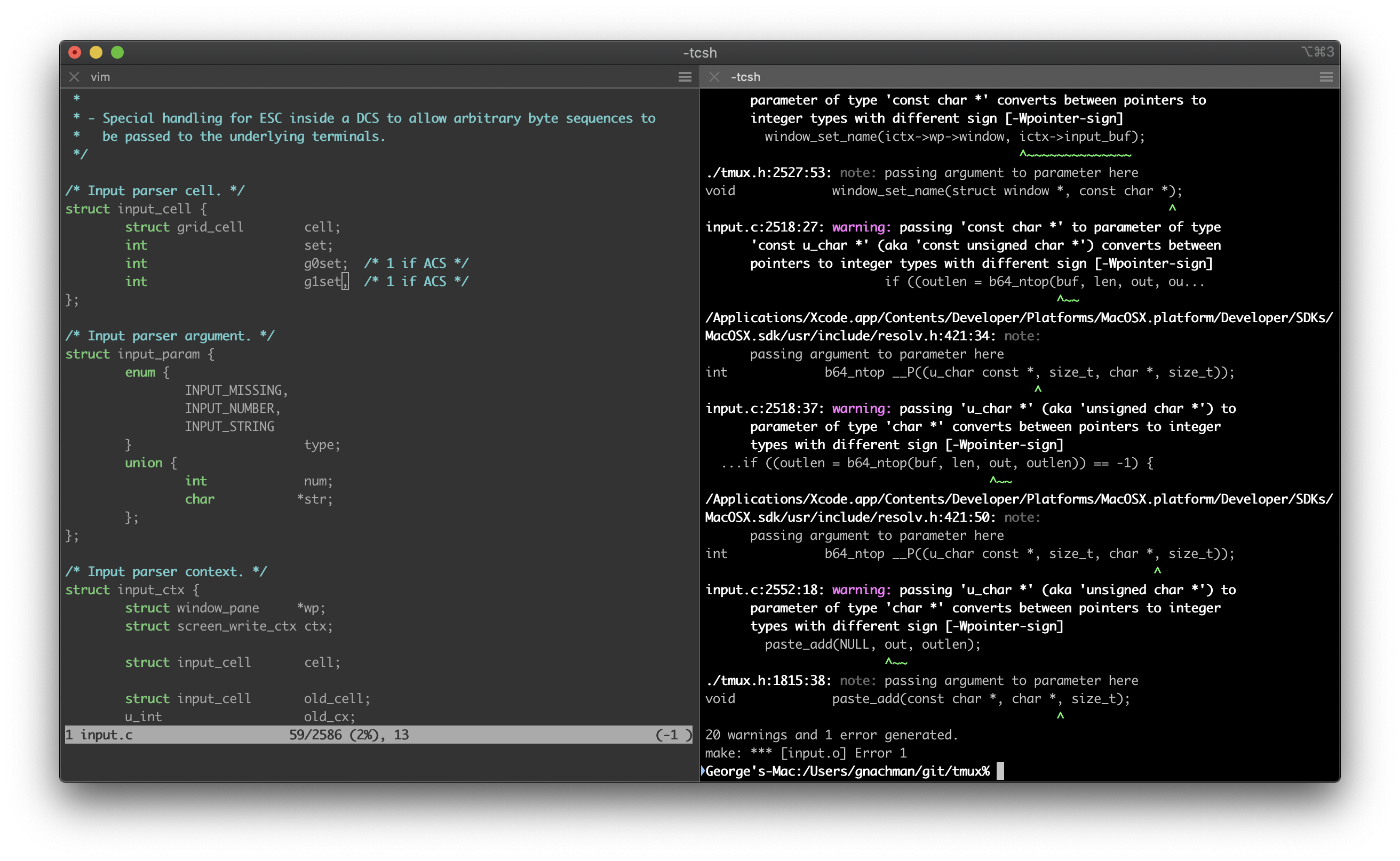
    I’m sort of always in the terminal so I’m actually not putting this under the dev tools section. I’m using iTerm2 instead of the terminal app that comes built in with MacOS. It has lots of features that I hardly know how to use but I use their split panes feature exactly all of the time.

    I’m using Z shell that has been the standard shell for Mac a few years now (replacing bash). Like so many others I also use the Oh My Zsh framework to configure it. From their own presentation:

    Oh My Zsh will not make you a 10x developer…but you may feel like one!

    https://ohmyz.sh/

    Development tools

    So I work almost exclusively with WordPress these days, as an effect from that most of the tools I use are PHP and MySQL centric.

    Development IDE – PHPStorm

    I use PHPStorm as my main IDE. It’s 200 Euros for the first year but the licensing cost then gradually shrinks to 120 Euros a year from the third year and onwards. But I won’t try to sell you on PHPStorm in this post I’m just going to say I think it’s well worth the yearly license cost.

    I also still use Sublime Text 3 for random note keeping and shorter texts burps but I hardly ever use it for writing code any longer.

    Laravel Valet

    This switch is super recent, I have been using Valet less than a week.

    As a carry over from using Linux I was fully invested in using Vagrant backed by VirtualBox for everything related to development. This isn’t nearly as nice on Mac as it is on Linux because the differences in disk performance makes it a royal PITA a lot of the time. Last week I moved one (1) test site over to Valet and decided that this is my new default dev environment in a heart beat.

    Vagrant

    I was using Vagrant exclusively up until just a week ago but from now on I’m probably only going to use it when it’s really crucial that I can emulate the entire production environment and that environment is more than just the web app (other sub systems, cron jobs, multiple databases).

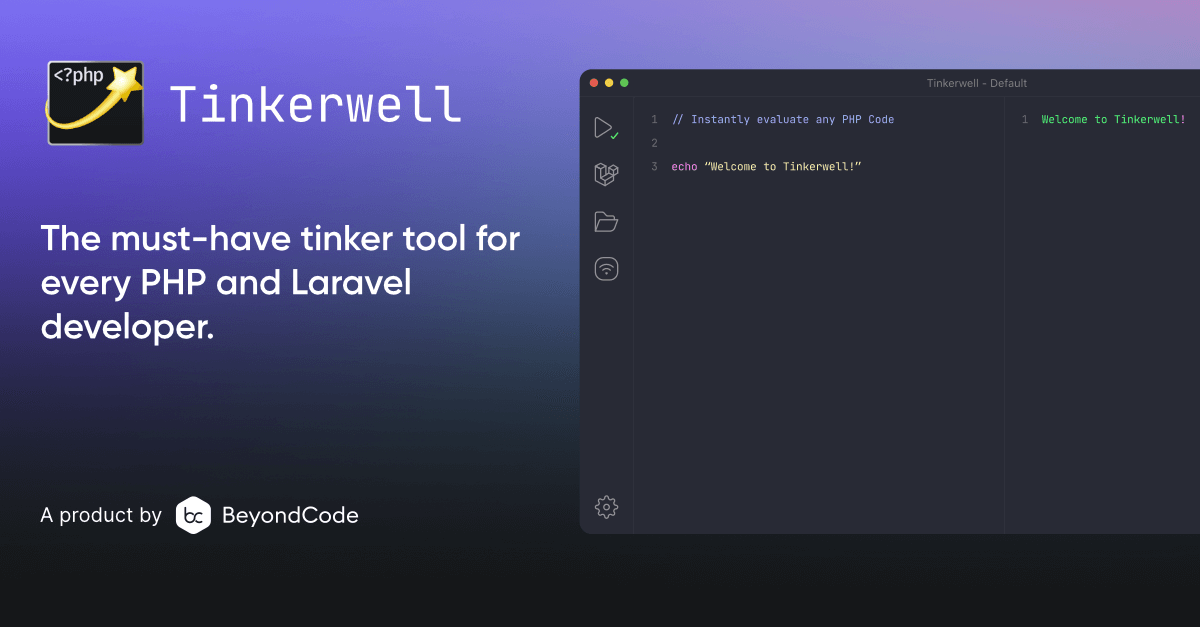
    Tinkerwell

    Its time to Tinkerwell 💫

    Tinkerwell is basically PsySH in a nice UI with sensible defaults. It works really well with both WordPress and Laravel out of the box. If you have ssh access to your production environment it’s so powerful that I instinctively feel like I’m doing something criminal. Try it!

    Postman

    I think Postman is more or less the goto client for working with REST API development and testing and hardly needs an introduction. I’ve used it for years and it just keeps on getting better.

    MySQL Workbench

    I hear a lot of developers using other mac specific tools but I’ve always been quite happy with the official MySQL client from Oracle. Makes it easy to create users, schemas, tables, run queries etc.

    Other stuff

    There’s also a long list of smaller tools that I make use of pretty much every day.

    Better Touch Tool is a utility for some keyboard shortcut customizations in Mac. The one specific thing I needed was a way to drag the current window into the next space without using the mouse. Easy peasy with BTT.

    I use Airfoil satellite to stream audio from my iPhone to my Mac via the AirPlay protocol. I use it mainly for podcasts and audiobooks so I when I come back to the computer from a walk I can just continue streaming to the speakers instead of my headphones. I honestly can’t understand why this is not part of the OS. There’s also an open source tool for this, shairport sync but I never got it to work after the Catalina upgrade.

    I use Apowersoft Screenshot for quick screenshots but since a few months back I’m not able to add annotations to the images. So whenever I need to add text, arrows and other stuff I use Skitch that lets me do that but with a slightly less intuitive workflow.

    Every now and then I need to prevent my computer from going to sleep and when I do, I use Owly.

  • Things to improve Ubuntu 16.04 on Dell XPS 13 (9630)

    Things to improve Ubuntu 16.04 on Dell XPS 13 (9630)

    Update 2017-04-30:

    Since my laptop became more or less impossible to use with the WD15 dock and multiple external monitors, I had to continue looking for a solution. First I spent the better part of Saturday to try to create a Windows To Go installation on a USB stick in order to run the WD15 firmware upgrade (that only works on Windows). After several failed attempts I looked elsewhere for a solution. Turns out that for any 16.04 LTS installation, kernel upgrades are held back, so while a fresh install of 16.04.2 from CD would give you a Linux 4.8 kernel, systems like mine that had 16.04 from start, would still have a 4.4 kernel, the reason is that pretty much the only reason for upgrading the kernel these days is to get better hardware support  System that works fine with 4.4 will not get any benefits from an upgrade. But my system wasn’t working fine and the releases between 4.4 and 4.8, there has been a lot of Dell specific improvements and a bunch of usb-c improvements that could potentially make things better.

    First, make sure you have all relevant upgrades so that your current system is in fact a 16.04.2.

    erik@erik-xps ~ $ cat /etc/lsb-release
     DISTRIB_ID=Ubuntu
     DISTRIB_RELEASE=16.04
     DISTRIB_CODENAME=xenial
     DISTRIB_DESCRIPTION="Ubuntu 16.04.2 LTS"

    If your system still is 16.04.1, run the software updater manually and install everything it suggests.

    When you have all available upgrades, check that your kernel is in fact held back with the following command:

    erik@erik-xps ~ $ uname -r
     4.4.0-75-generic

    If your kernel version is lower than 4.8 and you are experiencing hardware related issues (like my problems with the WD15), you may very well benefit from a kernel upgrade. The easiest way to do that is to enable something called the hardware enablement stack that instructs your system to install the latest kernels and X version. A warning might be in place, once enabled your system is basically going to get new kernels every time Ubuntu has a new point-release. So whenever 16.04.3 is released your kernel is most likely going to be upgraded again. Getting a new kernel every now and then might be too risky for some systems. Your mileage may vary. My reasoning is that since the XPS 13 9630 is still very new hardware (in Linux terms), new kernels will gradually make it better and better so I accept the small risk that some kernel along the line could potentially mess things up.

    To get the hardware enablement stack, I issued the following:

    erik@erik-xps ~ $ sudo apt install --install-recommends xserver-xorg-hwe-16.04

    A few minutes and a reboot later, my laptop was working better with the WD15 than it did before the devestating 4.4.0.75 upgrade that started this whole mess.

    The downside right now seem to be that I get no sound at all from the WD15 now. Neither the audio jack at the front or back seem to be working. Hopefully something that can be resolved but compared to no support for external monitors, a minor issue.

    Power cycling the laptop AND the WD15 fixed the audio issue.


    Update 2017-04-28:

    After getting automatically upgraded to the latest Kernel (4.4.0.75) this week I had a proper sh*t storm of issues with my external monitors for two days. Sometimes they wouldn’t switch on after a cold boot. Sometimes I see the Ubuntu login screen on the external monitors for a second or two before they switch off. Sometimes the external keyboard and mouse wouldn’t work after boot.  Even the screensaver would start messing with the external monitors and keyboard, everything was basically random but with a strong bias towards not working at all.

    I gradually tracked it down to being an issue with the WD15 dock and its usb-c connection. Some searching around led me to this thread on the Dell Community forums that made me realize I’m running an outdated BIOS, I had version 1.0.7 but the current version is 1.2.3 . I downloaded and updated the the new bios and after 1-2 hours of running, a lot of dock/usb-c related issues seems to be fixed. I recommend every user to use an updated BIOS, but if you’re using an usb-c dock with your Dell XPS, I’d say this BIOS update is mandatory.

    New update: I spoke too soon, most of the issues remain the same.

    New daily driver

    This week my new daily driver arrived. A brand new Kaby Lake Dell XPS 13 Developers Edition (late 2016) that comes with Ubuntu pre-installed. It’s the first time in good number of years that I’m working with latest gen hardware and it’s also the first time I try a laptop with manufacturer support for Ubuntu. Interesting indeed. I also purchased a Dell WD15 dock to hook it up to my 2 22″ screens in the home office.

    Apart from a few “paper cuts”, I just love this laptop. It’s the first time ever that I own a laptop with more than 6 hours of (realistic) battery life out of the box. The screen is gorgeous and the backlit keyboard feels really comfortable. If you’re looking for a high end laptop to run Linux, I highly recommend this one.

    But as I said above, there are a few annoying things that needs to be improved. This blog post is my way of documenting the changes I’ve made so far and it’s very likely that I keep expanding this post as I discover and hopefully fix issues.

    Touchpad

    This laptop comes with a really nice trackpad. But when the computer first boots, it will have two separate trackpad drivers active. This makes synclient (the software that controls trackpad configuration) all confused and attach to the wrong driver. The trackpad will mostly work, but it’s not going to be possible to disable the trackpad while typing. This in turn means that if you enable “tap to click” on the trackpad, you will accidentally move the cursor around by “tapping” the trackpad with the palm of your hand driving you insane very quickly.

    The solution is a two step process:

    Install touchpad-indicator

    touchpad-indicator is a utiility that sits in the upper right hand indicator area in Unity. This util gives you some additional configuration settings for the touchpad, “disable touchpad on typing” being the important one for me.

    Touchpad indicator

    Touchpad indiator UI

    To install it:

    $ sudo add-apt-repository ppa:atareao/atareao
    $ sudo apt-get update
    $ sudo apt-get install touchpad-indicator

    After installing it, I had to start it manually once, and then tell it to autostart on it’s General Options tab.

    $ /opt/extras.ubuntu.com/touchpad-indicator/bin/touchpad-indicatDisable the unneeded touchpad driver

    Before touchpad-indicator can work, I also needed to disable the unnedded touchpad driver, the third answer in this thread explains how it’s done: https://ubuntuforums.org/showthread.php?t=2316240

    Edit: Another thing that might improve the touchpad is to enable PalmDetect, I haven’t played around with it enough to know if it matters or not, but I have to add a line int a X11 config file to enable it:

    $ sudo nano /usr/share/X11/xorg.conf.d/50-synaptics.conf

    And then after line 13 i added ‘Option “PalmDetect” “1”‘

    edit 50-synaptics.conf


    WD15 Dock

    There’s a lot to say about the Dell WD15 dock. For the most part, it works as expected but there are some annoying buts that goes with it. From researching online I realized that with the Linux kernel that comes with stock Ubuntu 16.04 a lot just works and for that I’m thankful. The poor customers that tried to make this dock work with previous versions of Ubuntu have suffered much more than I have. There are a few things that doesn’t work though.

    Audio

    The WD15 has a 3.5 mm loudspeaker jack on the back that doesn’t work and an similar 3.5 mm headphone jack on the front that does. Not a huge deal for me, I still get decent quality sound to my external speakers, but the installation could have been prettier:WD15 dock

    The other annoying thing with the dock is that I have a ton of trouble making it understand when to enable the external monitors, when to wake up from suspend and what resolution to use. I’ve had similar issues with other docks (HP) in the past. I don’t have a solution for it, I guess I just slowly adjust to a lot of rebooting and manual screen resolution management.

    The super key

    One of the most odd things with this laptop is that the pre-installed Ubuntu 16.04 comes with a Dell specific package named dell-super-key. This package seem to do just one single thing: disable the super key. If you’re the least bit familiar with Ubuntu, you know that the super key used a lot so exactly what the product developers at Dell was thinking is a mystery to me. Why?

    Anyway, it’s easy to fix. Just uninstall the dell-super-key package and you’re good to go.

    $ sudo apt-get remove dell-super-key

    Conflicting keyboard mapping

    I’m not sure if this is specific to the Dell installation of Ubuntu or not but I haven’t had this issue on any other laptops, including my last HP that was also running 16.04. I work a lot with different works paces and I use Ctrl+Alt+Up/Down to move between them. On this one, there was a conflict in mapping so that the Ctrl+Alt+Up combo was also mapped to “Maximize horizontally”. Whenever I had focus on a window that could be maximized, Ctrl+Alt+Up would maximize that window instead of taking me to the work space I wanted.

    Searching around in the standard places for where to fix this turned up nothing. I disabled the maximize action in every place I could think of; System Settings -> Keyboard -> Shortcuts as well as using the dconf-editor. Turned out to be the Compiz plugin “Grid” that caused the problem. I solved it by simply disabling these keyboard mappings from Grid.

    First, install the Compiz settings tool:

    $ sudo apt-get install compizconfig-settings-manager

    When install, launch it and search for the Grid plugin:

    Compiz Config Settings Grid

    Then in the Grid settings, click to disable and then re-enable the Grid plugin, it will detect the keyboard mapping conflicts and ask you how to resolve them. I told Grid to not set any of the keyboard shortcuts that conflicted with the “Desktop wall” plugin. That way I can keep some of the Grid features I like, such as maximizing a window by dragging it to the top of the screen:

    Resolving conflicts in compiz settings


    Conclusion

    Compared to 10 yeas ago when I first started using Linux as my primary OS, the tweaks needed to make this laptop work as I want it are minimal. Linux and Ubuntu have come a long long way since then and it’s world of difference.

    It would be easy to point a a finger at Dell for shipping a laptop with these issues, but I think that would be very unfair, instead I applaud them for sticking to their Developer Edition program. Sure, the super key thing is weird and perhaps they could have solved the touchpad thing better, but those are solvable. I prefer Dell to keep assembling great hardware, after all, there’s a great community of Linux users around to get the last few issues resolved.

    If you have any questions or if you’ve found another Ubuntu and Dell XPS related issue, please use the comment field below.


  • How to play Star Stable on Linux

    How to play Star Stable on Linux

    TLDR; Star Stable works fine under Wine 1.7.55. Use Play On Linux if you want to avoid too much Wine configuration details.

    UPDATE 2015-12-27

    I’ve recently reinstalled this on a fresh Ubuntu Gnome 15.10 64bit. In order to make Starstable work, I had to install two additional packages from the command prompt:

    $ sudo apt-get install winbind
    $ sudo apt-get install libldap-2.4-2:i386

    If you follow the guide below and get weird error messages in the Play-on-Linux debug log, try the two commands above and give it another try.

    Games on Ubuntu Linux

    And now for something completely different. A few weeks ago I was helping my daughter (12 years old) with some problems on her Windows 8 laptop. Over the 18 months she had it, she had been installing all kinds of crap software. Clicking whatever links and buttons she thought would get her games working the fastest possible way, hardly realizing that she gradually filled her Windows installation with numerous of Trojans, viruses and other malware. We were at a point where I realized that getting her computer clean again would consume more time than to do a complete Windows reinstall, only to risk that we’d be back in the same situation a few months later. So instead we went for Ubuntu Linux.

    Her first reaction after getting familiar with the new desktop environment (Gnome 3), she reported back that Minecraft had never run as smoothly on her laptop before. And the overall impression was that the entire laptop was a lot quicker than it was running Windows 8.

    Everytime she asked for help installing something, I was a little scared that we’d find out that the particular game she was interested in would not run under Linux, but so far we’ve been lucky. Minecraft just works as is and Garrys Mod and Terraria was easy enough to set up in the Steam environment. But today, she really wanted to get Star stable working and that turned out to be a little bit more challenging even though the final solution was pretty straight forward.

    Star stable under Wine

    Star stables own web page claims that the game only runs under Windows and Mac. But I hoped that it could potentially work using Wine. Lately, I’ve found that the Play on Linux project is an excellent way to manage Wine. It’s a nice graphical tool that allows you to manage several Wine environments in parallel.

    Step 1: Install Play On Linux

    Go to the Play On Linux home page and download the version for your Linux distribution. As we were running Ubuntu 15.10, we selected the appropriate Ubuntu deb package.

    Step 2:  Install WINE

    During the installation of Play on Linux, it’s quite possible that it will complain about not finding Wine on your computer. If so, install it using the Package manager on your computer (in our case, the Ubuntu Software Center)

    Step 3: Add support for Wine 1.7.55

    Once installed, we’re going to open Play On Linux and add support for the latest version of Wine:

    Manage Wine versions
    Manage Wine versions (click to enlarge)

    And add the latest Wine version, at the time of writing this 1.7.55 by high lighting it and clicking the right arrow button:

    Select the latest stable version (not "staging")
    Select the latest stable version (not “staging”)

    After clicking the right arrow button, a Wizard will start that guides you through the install process.

    Step 4: Download Star Stable Installation program

    Open a browser and got to the Star stable register page to initiate a download of the Star Stable executable. This step requires having or creating a Star Stable account. I’ll leave out the details and just assume you have an account.

    Logging in to Star stable
    Logging in to Star stable

    Once logged in, you’ll get access to the download link. Since you’re doing this from a Linux computer, the page will tell you that Star Stable is only available for Windows and Mac. So click the Windows link to continue. Most likely, you browser will ask you to open a link with an external program, but just ignore that:

    Ignore the request to lauch external application
    Ignore the request to lauch external application.

    ..then, you should be taken to a page that offers manual download of the Installation program StarStableSetup_v921.exe.

    Manual download
    Manual download


    Step 5: Install Star Stable

    Now. Go back to the Play On Linux main window and select install a program:

    Install a program
    Install a program


    On the next screen, click Install a non listed program:

    Install a non listed program
    Install a non listed program

    On the next screen, select to create a new virtual drive:

    New virtual drive
    New virtual drive

    And name the drive:

    Name the virtual drive
    Name the virtual drive

    …on the next screen, check all the boxes, we want to make some changes:

    Configure installation type
    Configure installation type

    …after a few seconds, you get to select the Wine version, select the latest that we enabled in step 3:

    Select latest version
    Select latest version

    ..and on the next screen, select 64-bit version:

    Select 64-bit version
    Select 64-bit version

    ..After a few moments, you’ll get a dialog box where you can edit some Wine settings. We want to select to emulate Windows 7, finish by clicking OK

    Select Windows 7
    Select Windows 7

    ..after another few moments, you’ll get a dialog box with options of packages to install before moving on. To be 100% honest, I’m not sure we need to add support for Direct X, but I did for my daughter so I’ll do the same here. Add support for Direct X, look for a package named POL_install_dxfullsetup, mark it and hit next:

    Install Direct X support
    Install Direct X support

    After downloading some files and installing Direct X, the wizard will finally ask you what file to use for installation:

    Select installation exe
    Select installation exe

    Find the file you downloaded in step 4, most likely in a folder named Downloads:

    Downloads folder
    Downloads folder

    and then click Next. After a few seconds, you should see the Windows installer for Star Stable open:

    Star Stable installer
    Star Stable installer

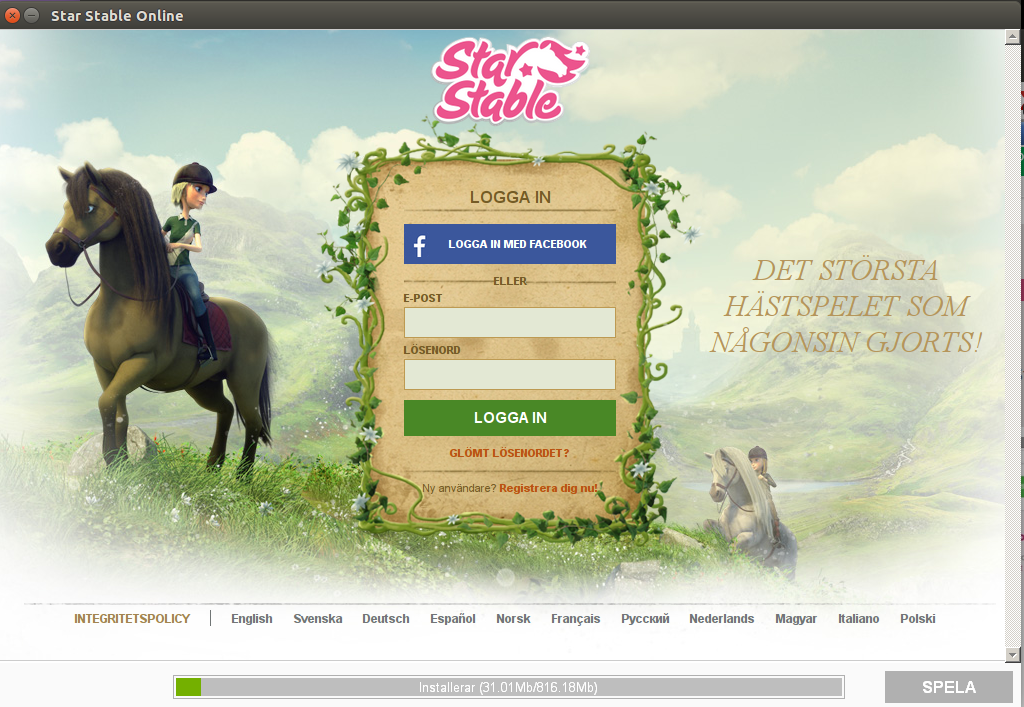
    ..after clicking Next, you will see the Star Stable installer window open. It’s a login form and at the bottom of the screen, you’ll see a progress bar showing a ~800 Mb download:

    Star Stable install screen
    Star Stable install screen (localized version)

    This part will take some time depending on your Internet connection speed. But rest assure, If you’ve gotten this far you’ll most likely have a working installation. Once the progress bar reaches 100% the first time, there will be a couple of updates to download as well, so grab a coffee (or Wine) and relax a few moments before the game launches.

    Step 6: Create a launcher

    One final step. As the Star Stable game started, Play On Linux will be sitting forever to wait for the install process to finish. But it won’t. Instead. Hit Cancel in the Play On Linux installation Wizard and return to the Play On Linux main window. As you can see, there will be no link to the Star Stable game, so we need to add one. Click the Configure icon in the top row:

    No link to Star Stable
    No link to Star Stable

    On the dialog that opens, mark the Starstable virtual drive and click the “Make new shortcut…” button:

    Create a shortcut
    Create a shortcut

    Then find the executable (pink icon) named StarStableOnlineLauncher.exe and click Next and on the next screen, just accept the default name given for the launcher.

    Create laucher step 2
    Create laucher step 2

    …then click Cancel to exit the Wizard and then close the configuration dialog to return to the Play On Linux main screen. You should now have a shortcut for the game. To start the game from now on. Just start the Play On Linux program, select the StarStable launcher and click the Play button on the top row:

    Start Star Stable
    Start Star Stable


    And that’s it folks! Go enjoy Star Stable on you Linux machine. Comments? Questions? Other feedback? Don’t hesitate to leave a comment below.



  • WordPress management the right way

    WordPress management the right way

    I first wrote about Wp-bootstrap in a post a few weeks ago and now it’s time for an update.

    New version 0.2.2

    Version 0.2.2 that was released today is actually quite a release. In this version, Wp-bootstrap is now feature complete to the extent that everything I described in my book, WordPress DevOps is now possible to do using Wp-bootstrap. This means that a bunch of Grunt scripts that quite honestly grew to be fairly complex can be replaced with a well formed, easy to read json file instead. I can’t tell you how nice that feels.

    Quality ASSURANCE

    I’ve got a separate repository on Github with the test cases for Wp-bootstrap. For the 0.2.2 release I spent a lot of time making sure to get code coverage up to an acceptable level. The overall coverage is now at 83%, a number I’m quite happy with at the moment. The missing 17% are in a part of the package that I’m considering scrapping and it’s not presented in the documentation, so no one should stumble on the untested code by mistake.

    References

    The big thing in this release is reference management. When you import options into WordPress using Wp-bootstrap, you might sometimes include a value that is actually a reference to a post ID. The most obvious example is the WordPress option “page_on_front” that stores the page ID for the page that works as the front page of your site. If you are using Wp-bootstrap to import the front page itself, chances are that the ID of that front page will be different between your development and production installations. So if you import the “page_on_front” setting, the integer value in the database will almost certainly be wrong.

    Wp-bootstrap can overcome this problem by managing these references for you. Just tell Wp-bootstrap which settings that contains references to a page/post/term. If that item was included in the imported data, Wp-bootstrap will update the database accordingly. This is a very powerful feature and it works across both posts (pages, posts, attachments custom post types) and taxonomy terms (categories, tags etc).

    Intended use case

    There is an intended use case or workflow that I had in mind developing this package. A quick overview:

    On the development server (hint: use Vagrant):

    • Start a new project by requiring wp-bootstrap in composer.json
    • Run vendor/bin/wpboostrap wp-init-composer to get easier access to the wp-bootstrap commands
    • Create a localsettings.json and appsettings.json
    • Make sure you exclude localsettings.json from source code control
    • Initiate the development installation with commands composer wp-install and composer wp-setup
    • As settings are updated, use the WP-CFM interface in WordPress Admin to include the relevant settings into the application configuration
    • As plugins and themes are needed, add them to appsettings.json and rerun the wp-setup command to get them installed into your local environment
    • As posts and menus are added, include them in appsettings.json.
    • When it’s time to deploy to a staging or production environment, run composer wp-exportcommand to get all content serialized to disk. Add them to your Git repo

    On the staging or production server:

    • Create the local database
    • Check out the project from Git
    • Create up your localsettings.json file with the relevant passwords and paths.
    • Run composer update
    • Run vendor/bin/wpboostrap wp-init-composer to get easier access to the wp-bootstrap commands
    • Run composer wp-install, composer wp-setup and composer wp-import

    Once the target environment has been setup, new changes from the development environment can be pushed by checking out the new changes using Git and rerunning wp-setup and wp-import.

    Take it for a spin

    Now it’s over to you. If you’re interested in a more structured workflow around WordPress, give Wp-bootstrap a try and let me know what you think in the comments section. Or better, get in touch to let me know how you can contribute to Wp-bootstrap. I’m eager to hear from you.